Exploring the unique temple styles, terracotta panels, and pilgrimage routes of West Bengal.
West Bengal is home to distinct forms of Hindu temple architecture. Learn more about their unique features.
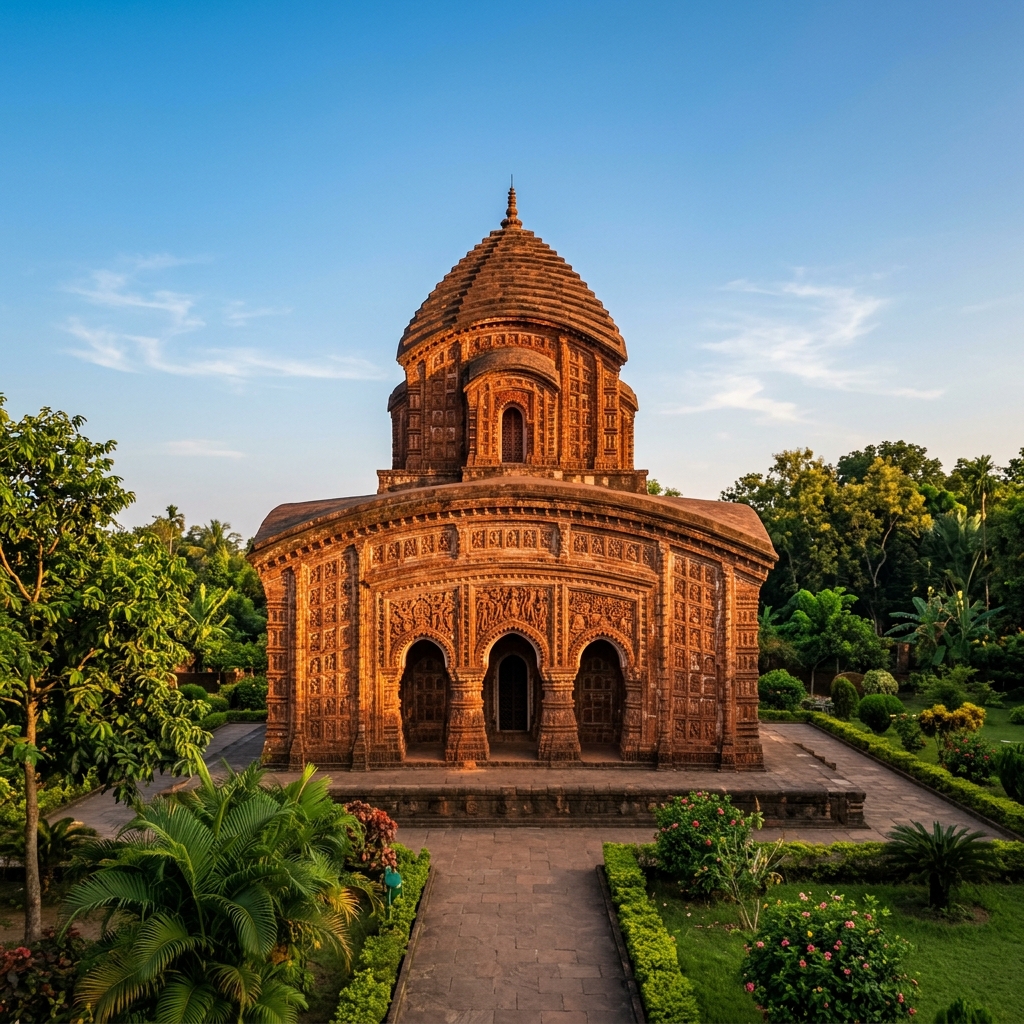
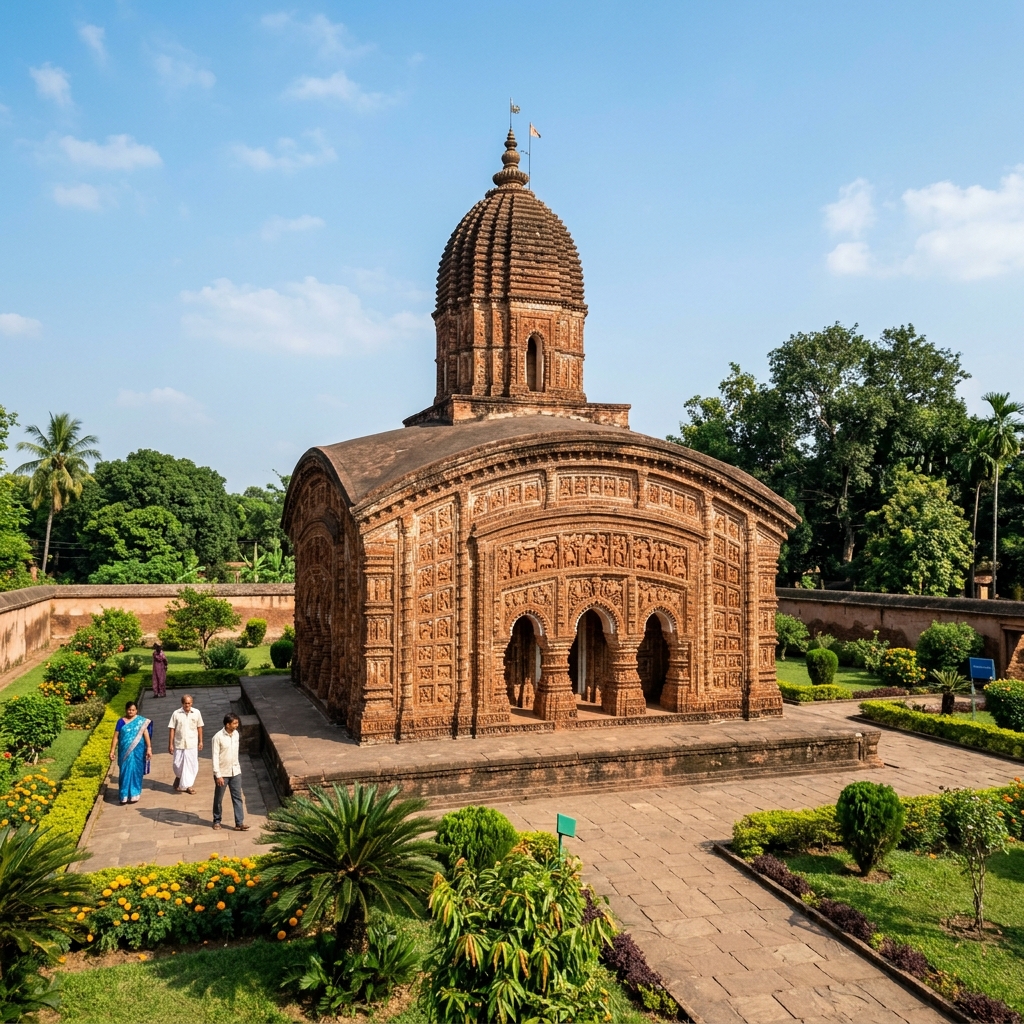
Faced with a scarcity of stone in the alluvial plains, Bengal's builders turned to clay. The result was highly decorated terracotta brick temples built during the 16th to 18th centuries by the Malla kings. The temple structures incorporate sloping thatched-hut roofs (Ek-bangla or Jor-bangla) covered with intricate clay relief tiles depicting themes from the Puranas, Ramayana, and Mahabharata.
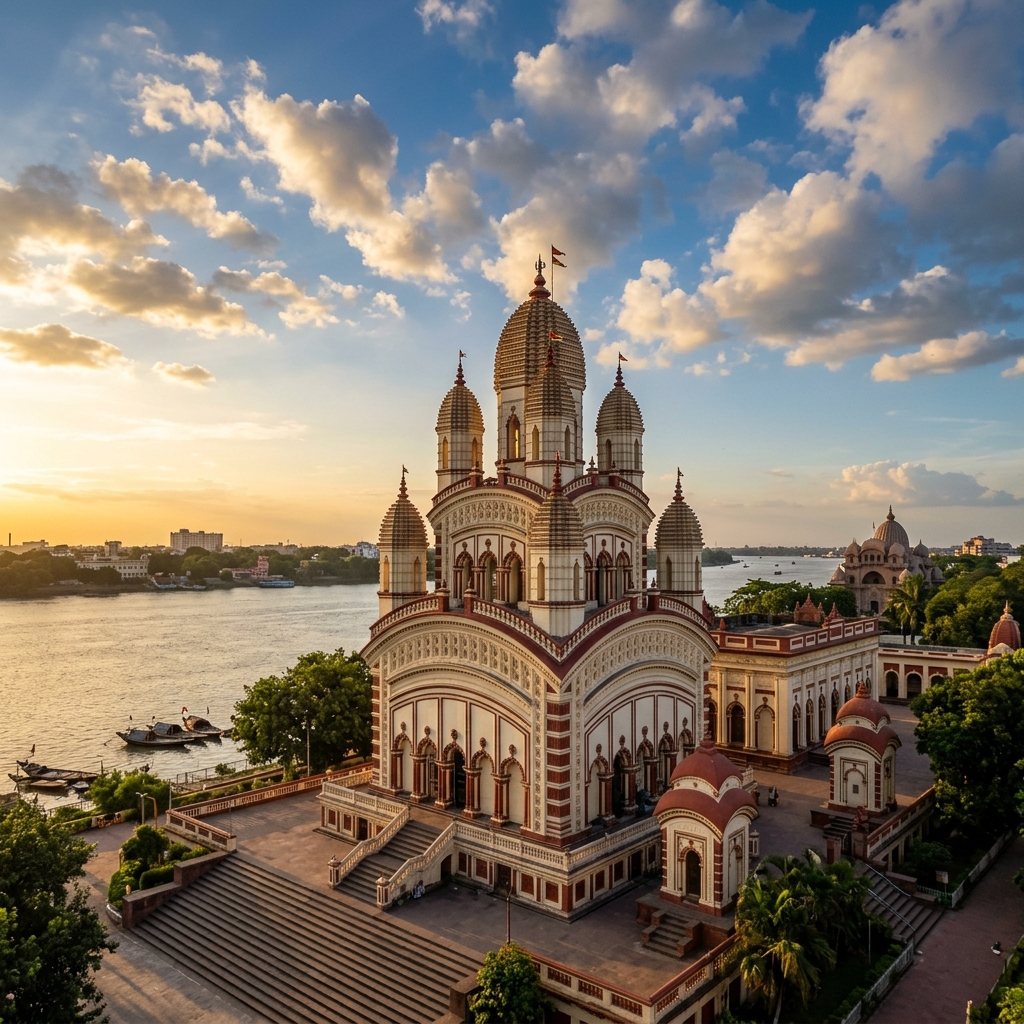
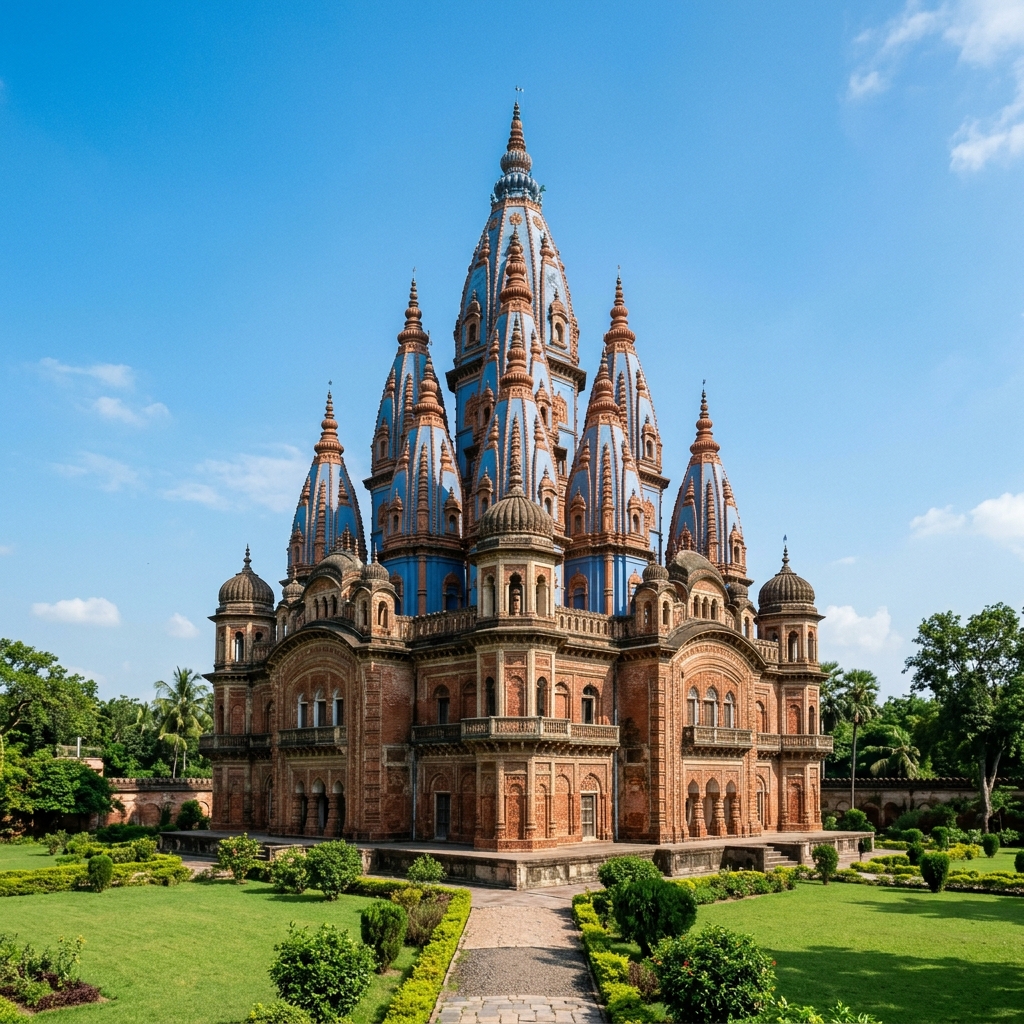
The Navaratna style (exemplified by Dakshineswar Kali Temple) features nine spires arranged in two tiers, creating a majestic and towering spiritual landmark. Similarly, the Atchala style represents double-roofed structures that emulate the traditional rural Bengali mud huts, bringing a simple local aesthetic into highly sacred stone and brick temple designs.
Restoration of ghats, structural stabilization, and pilgrims information center.
Continuous chemical consolidation of fragile clay panels and landscaping of surrounding gardens.
Sanitation, clean drinking water installations, and ancient temple hall structural repair.
Unique 13-spired temple symbolizing the Kundalini yoga paths; ongoing moisture treatment.
Pilgrim corridor development and protection of surrounding cremation ground traditions.
Assisting local management with drainage, queue systems, and temple facade renovation.